

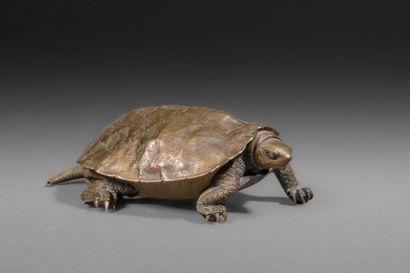
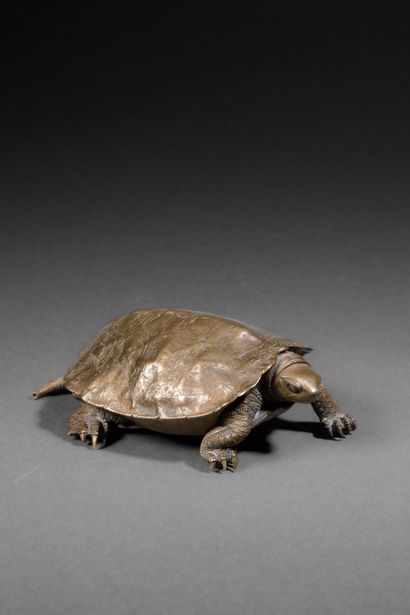
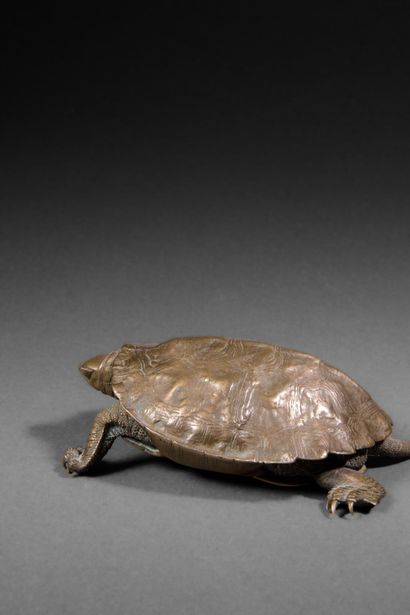


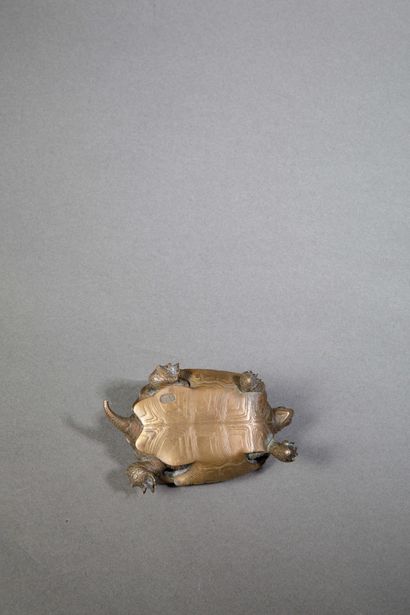
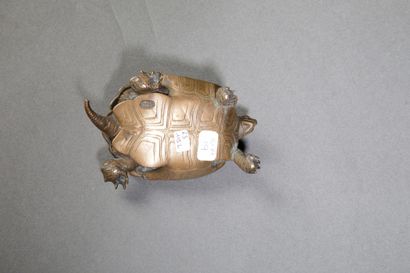
Sale information - The Collection of a Naval Architect and General Collector: Asian Art, Jewelry, Furniture, Works of Art, Militaria, Silverware
Exhibition:
Saturday, September 19, 2026, from 10 a.m. to 6 p.m. at the venue, 20 rue Drouot, Paris 75009
Sunday, September 20, 2026, from 10 a.m. to 12 p.m. at the venue, 20 rue Drouot, Paris 75009
Auction:
Sunday, September 20, 2026, starting at 2:00 p.m.
Sales conditions - The Collection of a Naval Architect and General Collector: Asian Art, Jewelry, Furniture, Works of Art, Militaria, Silverware
CONDITIONS GÉNÉRALES DE VENTE
TRIANON ENCHERES est une société de ventes volontaires de biens meubles régie par la loi du 20 juillet 2011. TRIANON ENCHERES agit comme mandataire du vendeur qui contracte avec l’acquéreur. Les ventes aux enchères organisées par TRIANON ENCHERES sont soumises à la législation française et aux conditions générales ci-après énoncées.
1. LA MISE EN VENTE : Obligations du vendeur
Le vendeur garantit à TRIANON ENCHERES et à l’acheteur : Qu’il a la pleine propriété non contestée ou qu’il est mandaté par la personne ayant la pleine propriété non contestée des biens mis en vente, libres de toute réclamations, saisies, réserves de propriété, charges, garanties ou nantissement de la part de tiers, et qu’il peut valablement transférer la propriété pleine et entière desdits biens. Que les biens sont en règle avec la réglementation douanière française. Pour les biens entrés sur le territoire français provenant d’un pays non membre de l’Union Européenne, que toutes les déclarations requises à l’importation et à l’exportation ont été dûment effectuées et les taxes afférentes dûment réglées. Qu’il a mis à disposition de TRIANON ENCHERES toutes les informations concernant les biens mis en vente, notamment celles relatives à l’authenticité, l’origine, le titre de propriété, l’état, les obligations fiscales et douanières. En cas de non-respect de ses obligations, le vendeur sera tenu d’indemniser TRIANON ENCHERES et l’acheteur de tous
dommages et préjudices engendrés par ce non-respect, qu’il soit partiel ou total. En cas de doute sérieux quant aux garanties fournies par le vendeur, TRIANON ENCHERES se réserve le droit de retirer les biens mis en vente et d’en avertir l’acheteur. Si ce dernier demande l’annulation de la vente, de consentir à cette annulation au nom du vendeur, ce que le vendeur reconnait et accepte. En cas de retrait d’un objet avant la vente par un vendeur et après parution du catalogue ou en cas de modification d’un prix de réserve rendant impossible la mise en vente immédiate de l’objet, le vendeur sera tenu de verser à TRIANON ENCHERES à titre de dédommagement les honoraires acheteur et vendeur calculés sur la base de l’estimation médiane indiquée au catalogue. La remise de l’objet retiré sera soumise au règlement desdits honoraires. En l’absence de règlement, l’objet
sera représenté à la vente sous les conditions de la réquisition de vente initiale.
LES EXPOSITIONS PUBLIQUES
Les expositions publiques permettent aux amateurs et acquéreurs potentiels d’examiner les biens mis en vente afin de prendre connaissance de l’ensemble de leurs caractéristiques. Les descriptions faites au catalogue, les étiquettes de présentation et les rapports sur l’état des lots ne sont que
l’expression de la perception du lot par TRIANON ENCHERES et ne sauraient constituer la preuve d’un fait. Ces informations sont fournies afin de faciliter l’examen par l’amateur dont l’appréciation personnelle prévaut. Les dimensions sont données à titre indicatif et ne saurait engager la responsabilité de TRIANON ENCHERES. TRIANON ENCHERES s’attache à exposer au mieux les objets mis en vente et de manière sécurisée. Toute manipulation d’objet non supervisée par un membre de TRIANON ENCHERES se fait à vos propres risques. Certains objets fragiles peuvent porter la mention NE PAS TOUCHER, auquel cas, seul un membre de TRIANON ENCHERES sera habilité à manipuler ces biens et pourra vous le présenter sur demande.
ETAT DES BIENS MIS EN VENTE
Tous les biens sont vendus tels quels, dans l’état où ils se trouvent au moment de la vente avec leurs
imperfections et défauts. Les indications données quant à l’état du lot, la présence d’accidents ou de
restaurations sont mentionnées pour faciliter l’examen par l’acquéreur du lot qui reste soumis à son
appréciation personnelle ou à celle de son expert. L’absence d’indication d’une restauration ou d’un accident n’implique nullement qu’un bien en soit exempt. De même, la mention de défauts n’implique pas l’absence de tout autre défaut. Aucune réclamation ne pourra être admise une fois l’adjudication prononcée, une exposition préalable ayant permis aux acquéreurs de se faire une appréciation du lot. Les restaurations d’usage et les rentoilages sont considérées comme des mesures conservatoires n’entraînant pas de dépréciation de l’objet. L’état des cadres n’est pas garanti. L’état de fonctionnement des objets d’horlogerie, leur mécanisme ainsi que les restaurations potentielles ne sont pas garantis. Les révisions et réglages sont à la charge de l’acquéreur. Les pierres et les perles sont décrites conformément au décret 2002-65 du 14 janvier 2022 relatif au
commerce des pierres gemmes et des perles et elles peuvent avoir fait l’objet d’embellissements, pratiques considérées comme usuelles dans le commerce international des pierres et perles et ne sauraient engager la responsabilité de TRIANON ENCHERES ou son expert en cas d’absence d’indication. Ainsi les pierres modifiées par les pratiques lapidaires traditionnelles (tels l'huilage et le chauffage des pierres de couleurs) sont décrites de la même manière que celles qui n'auraient pas été traitées tandis que la désignation des pierres modifiées par d'autres procédés est suivis de la mention « traitée» ou par l'indication du traitement subis. Vu la recrudescence des nouveaux traitements, les pierres présentées sans certificats sont vendues sans garantie quant à un éventuel traitement. Il est précisé que l’origine des pierres et la qualité (couleur et pureté des diamants) reflètent l’opinion du laboratoire qui émet le certificat. Il ne sera admis aucune réclamation si un autre laboratoire émet une opinion différente et ne saurait engager la responsabilité de la société de vente et de l’expert.
INDICATIONS AU CATALOGUE
Les indications mentionnées au catalogue sont établies par TRIANON ENCHERES avec toute la diligence requise d’un opérateur de ventes volontaires de biens meubles aux enchères publiques. Les indications sont établies compte tenu des informations communiquées par le vendeur, des connaissances artistiques, techniques et scientifiques et de l’avis généralement admis des experts et spécialistes aux vues des connaissances à la date de rédaction des indications. TRIANON ENCHERES se réserve le droit d’apporter lors des expositions et pendant la vente des rectificatifs et des précisions quant à la description, l’origine, l’authenticité et l’état de l’objet, soit par le biais d’un affichage soit par une annonce orale. Les photographies reproduites dans les catalogues et sur les sites de diffusion des ventes ne sont pas à l’échelle (sauf indication contraire). Elles n’ont donc
aucune de valeur contractuelle. De même, les couleurs des œuvres reproduites aux catalogues peuvent faire l’objet de variations dues à l’impression ou aux spécificités des outils numériques (écran, téléphone, tablettes, etc.). Elles n’ont donc aucune valeur contractuelle. L’estimation figure à côté de chaque lot dans le catalogue et ne comprend ni les frais à la charge de l’acheteur, ni la TVA. Les estimations sont fournies à titre indicatif et ne peuvent être considérées comme impliquant la certitude que le bien sera vendu au prix estimé. Elles ne sauraient constituer une quelconque garantie. Le prix de réserve est le prix minimum confidentiel arrêté avec le vendeur au-dessous duquel le bien ne sera pas vendu. Le prix de réserve ne peut être supérieur à l’estimation basse figurant dans le catalogue ou annoncée publiquement par l’opérateur de ventes volontaires et consignée au procès-verbal. Dans le cas où un bien ne comporterait pas de prix de réserve, la responsabilité de TRIANON ENCHERES ne saurait être engagée vis-à-vis du vendeur si le prix de vente est inférieur à l’estimation basse publiée au catalogue de vente.
EXPERTS
En vertu de l’article L. 321-29 du Code de Commerce, TRIANON ENCHERES peut faire appel à des experts afin de l’assister dans la description, l’authentification et l’estimation des biens mis en vente. Ceux-ci seront mentionnés au catalogue et en cas d’intervention après publication du catalogue, une mention sera faite par l’opérateur de ventes aux enchères lors de l’ouverture de la vente. TRIANON ENCHERES s’assure que les experts intervenant ont souscrit une assurance couvrant leur responsabilité professionnelle.
DROITS DE PROPRIÉTÉ INTELLECTUELLE
Aucune garantie n’est donnée quant à savoir si un bien est soumis à un copyright ou un droit d’auteur. La vente des biens n’emporte en aucun cas cession des droits de propriété intellectuelle, notamment les droits de reproduction et de représentation.
2. LA VENTE: Le mode usuel pour enchérir consiste à être présent en salle.
ENCHÈRES EN PERSONNE
TRIANON ENCHERES se réserve le droit de demander à tout acquéreur potentiel de justifier son identité et de fournir ses coordonnées bancaires. Dans le cadre de ventes de prestige, un enregistrement préalable des acquéreurs potentiels pourra être exigé. Toute personne se portant enchérisseur s’engage à régler personnellement et immédiatement le prix d’adjudication augmenté des frais à la charge de l’acquéreur et de tous impôts et taxes qui pourraient être exigibles.
ENCHÈRES PORTÉES PAR UN MANDAT
L’acquéreur agissant pour le compte d’un tiers devra se faire connaître au préalable des opérateurs de ventes volontaires de TRIANON ENCHERES en justifiant d’un mandat écrit de la part du mandant indiquant son identité et ses références bancaires. Le mandataire est solidairement responsable avec le mandant. En cas de contestation de la part du mandant, le mandataire peut être tenu pour seul responsable de l’enchère.
ENCHÈRES PAR ORDRE D’ACHAT
TRIANON ENCHERES accepte, à titre gracieux et confidentiel, d’exécuter des ordres d’achat qui auront été rédigés au préalable par écrit selon un formulaire prévu à cet effet. Celui-ci devra être retourné 24 heures avant la vente concernée accompagné d’une copie de pièce d’identité et d’un relevé d’identité bancaire. Pour des achats conséquents, il pourra être demandé une lettre accréditive de la Banque ou un dépôt de caution. Si plusieurs ordres d’achat fixent un prix maximum identique, le premier arrivé aura la préférence. Si des enchères en salle atteignent un prix identique à un ordre d’achat, l’enchère en salle aura la priorité. L’exécution des ordres d’achat étant un service gratuit, il ne pourra en aucune manière engager la responsabilité de TRIANON ENCHERES en cas d’erreur ou d’omission dans l’exécution des ordres reçus, comme en cas de
non-exécution de ceux-ci.
ENCHÈRES PAR TÉLÉPHONE
TRIANON ENCHERES accepte, à titre gracieux et confidentiel, de recevoir les enchères par téléphone d’un acquéreur potentiel mais ne pourra en aucune manière être tenue responsable en cas de difficulté de liaison téléphonique, d’erreur ou d’omission dans l’exécution des ordres reçus,
comme en cas de non-exécution de ceux-ci. TRIANON ENCHERES se réserve le droit d’enregistrer les communications téléphoniques durant la vente. Les enregistrements seront
conservés jusqu’au règlement du prix, sauf contestation.
ENCHÈRES PAR INTERNET
Les amateurs ont également la possibilité d’enchérir en ligne par les sites partenaires qui seront indiqués dans les catalogues ou en se renseignant directement auprès de TRIANON ENCHERES. Les enchères en ligne sont régies par des sociétés indépendantes de TRIANON ENCHERES, toute contestation quant aux difficultés de liaison, à la non-exécution des ordres transmis ne pourra engager la responsabilité de TRIANON ENCHERES. Les amateurs inscrits sur les sites afin de suivre la vente en « Live » qui remportent l’enchère d’un bien s’engagent dans les mêmes conditions qu’un enchérisseur en salle à régler au comptant et immédiatement après la vente pour l’intégralité du prix, frais et taxes, même en cas d’obligation de l’obtention d’une licence d’exportation.
DÉROULEMENT DE LA VENTE
L’opérateur de ventes volontaires de TRIANON ENCHERES dirigera la vente de façon discrétionnaire, en veillant à la liberté des enchères et à l’égalité entre l’ensemble des enchérisseurs tout en respectant les usages établis. Les enchères suivent l’ordre des numéros au catalogue mais l’opérateur de ventes volontaires reste libre de fixer l’ordre de progression des enchères et les enchérisseurs sont tenus de s’y conformer. Le plus offrant et dernier enchérisseur sera
l’adjudicataire. En cas de contestation au moment des adjudications, s’il est établi que deux ou plusieurs enchérisseurs ont simultanément porté une enchère équivalente, soit à haute voix, soit par signe, et réclament en même temps cet objet après le prononcé du mot « adjugé », ledit objet sera immédiatement remis en vente au prix proposé par les enchérisseurs et tous les amateurs présents pourront concourir à cette deuxième mise en adjudication. Le vendeur n’est pas autorisé à enchérir directement ou par le biais d’un intermédiaire sur les lots qu’il a mis en vente. Seul l’opérateur de ventes volontaires se réserve le droit de porter des enchères pour le compte du vendeur en cas de prix minimum fixé au préalable, afin d’atteindre ce prix de réserve. L’opérateur de ventes volontaires assure la police de la vente et peut faire toutes réquisitions pour y maintenir l’ordre ; il se réserve le droit d’interdire l’accès de sa salle des ventes pour justes motifs.
ACCÈS AUX BIENS PENDANT LA VENTE
Par mesure de sécurité, les biens ne seront pas accessibles pendant la vente.
3. APRES LA VENTE Frais
Les acquéreurs paieront en sus des enchères, les frais suivants:
Art contemporain et abstrait :
Par lot et par tranche dégressive : - de 1 à 100 000 € : 24 %HT + TVA (20%) soit 28,8 % TTC - de
100 000 € à 800 000 € : 20 % HT + TVA (20%) soit 24 % TTC - au-delà de 800 000 € : 10 % HT +
TVA (20%) soit 12 % TTC
Joaillerie, bijoux, montres, argenterie : 24% HT + TVA (20%) soit 28,80 % TTC
Mobilier, objets d’art, tableaux anciens et XIXe siècle : 24% HT + TVA (20%) soit 28,8% TTC
Livres anciens et modernes : 26% HT + TVA (5,5%) soit
Ventes on line : 24%HT + TVA (20%) soit 28,80% TTC
Arts d'Asie, Arts Premier, Arts du Xxème siècle et Design : 24%HT + TVA (20%) soit 28,80% TTC
Pour les lots en importation temporaire d’un pays tiers à l’Union Européenne, indiqués par un astérisque*, il convient d’ajouter aux commissions et taxes indiquées ci-dessus, la TVA à l’import de 5,5 % du prix d’adjudication. En ce qui concerne les bijoux et pierres non montées, les montres, les automobiles, les vins et spiritueux et les multiples il convient d’ajouter aux commissions et taxes indiquées ci-dessus, la TVA à l’import de 20% du prix d’adjudication. Les taxes (TVA sur commission et TVA à l’import) peuvent être rétrocédées à l’adjudicataire sur présentation des justificatifs d’exportation hors Union Européenne sur présentation dans un délai de 3 mois suivant la vente de la déclaration d’exportation du bien acquis visé par le service des Douanes pour les personnes physiques et dans un délai d’un mois pour les personnes morales. Ce document devra mentionner TRIANON ENCHERES comme expéditeur et l’acheteur (même nom et adresse indiqués au bordereau d’achat) comme destinataire du bien. Un adjudicataire de l’Union
Européenne justifiant d’un numéro intracommunautaire sera dispensé d’acquitter la TVA sur les commissions sur présentation de ses justificatifs d’enregistrement commercial.
LE PAIEMENT
Le paiement par l’adjudicataire interviendra au comptant immédiatement après la vente, pour l’intégralité du prix, frais et taxes, même en cas d’obligation de l’obtention d’une licence d’exportation. L’acquéreur pourra s’acquitter de sa dette par les moyens suivants: En espèces en euros : Jusqu’à 1 000 € (adjudication + frais de vente) pour les particuliers ressortissants français Jusqu’à 15 000 € (adjudication + frais de vente) pour les particuliers ressortissants étrangers sur présentation de leur pièce d’identité
Les chèques bancaires ne sont pas acceptés. Les chèques tirés sur une banque étrangère non encaissables en France ne sont pas acceptés.
Par virement bancaire en euros sur le compte TRIANON ENCHERES dont le RIB sera communiqué à l’acquéreur.
Par carte bancaire VISA ou MasterCard sur présentation d’un justificatif d’identité. L’identité du porteur de la carte devra être celle de l’acheteur
RETRAIT DES ACHATS
Aucun lot ne sera délivré à l’acquéreur avant acquittement de l’intégralité des sommes dues. En cas de paiement par virement, la délivrance des objets pourra être différée jusqu’à l’encaissement. L’acheteur ne devient propriétaire du bien adjugé qu’à compter du règlement intégral et effectif à TRIANON ENCHERES du prix, des commissions et des frais afférents. Dès l’adjudication prononcée, les objets adjugés sont placés sous l’entière responsabilité de l’acquéreur qui devra faire assurer son lot.
Délai d’enlèvement des lots:
Les acquéreurs bénéficient d’un magasinage gracieux pendant une durée de 7 jours suivants la vente. Au delà de ce délai, il sera facturé des frais de magasinage de 10€HT par jour et par lot. Ce service n’entraîne pas la responsabilité de TRIANON ENCHERES en cas de dégradation ou vol du bien, le transfert de propriété étant effectif dès l’adjudication prononcée, il conviendra à l’acquéreur d’assurer son bien. Le mobilier et les objets volumineux seront stockés chez un prestataire extérieur qui facturera directement des frais de garde à l’acquéreur. Il appartient à l’acquéreur de vérifier la conformité de son achat lors de sa remise.
LIVRAISON DES BIENS
TRIANON ENCHERES ne se charge pas des transports et livraisons des biens acquis sauf demande écrite ou email des clients et à leurs charges.
Il convient à l’acquéreur de prendre contact avec le transporteur de son choix qui se chargera de venir emballer et enlever les biens pour le compte de l’acquéreur, celui-ci aura au préalable indiqué le nom du prestataire extérieur choisi par écrit TRIANON ENCHERES à qui elle devra délivrer le bien. Une pièce d'identité sera systématiquement demandée lors du retrait des lots. TRIANON ENCHERES décline toute responsabilité en raison d'un dysfonctionnement du transporteur ou des services postaux dans le cas où il y a perte, casse ou vol des colis. TRIANON ENCHERES ne peut être tenue pour responsable en lieu et place des transporteurs.
ENLÈVEMENT DES LOTS NON VENDUS PAR LES VENDEURS
Les lots non vendus doivent être retirés dans les meilleurs délais par le vendeur, au plus tard dans les 15 jours suivant la vente publique. À défaut, les frais de dépôt et de garde des objets invendus seront supportés par le vendeur, au tarif 10 euros par jour et par objet. TRIANON ENCHERES ne sera tenu d’aucune garantie à l’égard du vendeur concernant ce dépôt.
PRÉEMPTION DE L’ETAT FRANÇAIS
L’Etat français dispose d’un droit de préemption sur les œuvres d’art mises en vente publique conformément aux textes en vigueur. L’exercice de ce droit intervient immédiatement après le coup de marteau, le représentant de l’Etat devant manifester de manière orale et audible la volonté de l’Etat de se substituer à l’acquéreur. Cette préemption devra être confirmée dans un délai de quinze jours à compter de la vente. Dans ce cas, l’Etat se substitue au dernier enchérisseur. En cas de non–confirmation par l’Etat de sa préemption, le dernier enchérisseur devient de plein droit adjudicataire du lot. TRIANON ENCHERES ne pourra être tenu responsable des conditions de la préemption par l’Etat.
EXPORTATION
L’exportation de tout bien de France vers un autre pays et l’importation dans un pays tiers peut être soumise à certaines autorisations (certificats d’exportation, autorisations douanières). Il est de la responsabilité de l’acheteur d’obtenir les autorisations requises. Le fait qu’une autorisation d’exportation ou d’importation requise soit refusée ou que l’obtention d’une autorisation prenne du retard ne pourra aucunement justifier l’annulation de la vente ni le retard dans le paiement du montant total dû. Un Certificat d’exportation est nécessaire pour le déplacement d’un bien culturel depuis la France vers un autre pays membre. Il est délivré par le service compétent du Ministère de
la Culture. Ce certificat pourra être demandé par la Maison de Ventes pour le compte de l’acheteur après la vente. Pour les biens culturels exportés hors de l’Union Européenne, outre le Certificat d’exportation, une licence d’exportation ainsi qu’une déclaration en Douanes sera nécessaire. Dans ce cas, l’acheteur devra s’assurer les services d’un transitaire afin de solliciter les autorisations requises. Il est précisé qu’en vertu de l’art. L. 114-1 du Code du Patrimoine, quiconque exporte ou tente d’exporter un bien culturel sans avoir obtenu les autorisations requises est soumis à des sanctions pénales. Les œuvres d’art sont considérées comme des biens culturels en fonction de critères d’âge et de valeur (décret n° 93-124 du 29 janvier 1993 et règlement CE n°116/2009 du 18 décembre 2009). Il est conseillé aux acheteurs et aux vendeurs de conserver tout document relatif à l’importation ou l’exportation d’un bien, car pouvant être réclamé à tout moment par les services gouvernementaux.
Espèces protégées et en voie de disparition (convention CITES du 3 mars 1973)
Les objets contenant des matières animales comme l’ivoire, les carapaces de tortue, les fanons de baleine, rostres, etc.., indépendamment de l’âge ou de la valeur, requièrent une autorisation spéciale du Ministère de l’Environnement avant de pouvoir quitter le territoire français. Une autorisation d’exportation ne garantit pas la possibilité d’obtenir une licence d’importation dans un autre pays. Il convient aux acheteurs de vérifier auprès des autorités compétentes de leur pays les conditions d’obtention d’une telle licence et d’en faire la demande. L’impossibilité d’obtenir une licence d’exportation et/ou d’importation n’entraîne pas l’annulation de la vente et ne justifie aucunement tout retard de paiement des sommes dues.
4. INCIDENTS DE VENTE
Double-enchère : En cas de double-enchère reconnue effective par l’opérateur de ventes volontaires, l’objet sera immédiatement remis en vente à la dernière enchère obtenue.
En cas d’enchères tardives par voie électronique au moment du prononcé de l’adjudication, il sera alors donné la préférence à l’adjudicataire présent dans le salle de vente
Folle enchère : A défaut de paiement par l’adjudicataire après une mise en demeure restée infructueuse, le bien est remis en vente à la demande du vendeur sur folle enchère sans le préjudice de dommages et intérêts à devoir par la suite à la société de ventes. Le vendeur peut également accorder un délai de paiement supplémentaire à l’acquéreur s’il en fait la demande auprès de TRIANON ENCHERES. Dans le cadre de la réitération des enchères, TRIANON ENCHERES se réserve le droit de réclamer à l’adjudicataire défaillant à son choix: le paiement de la différence entre le prix d’adjudication initial et le prix d’adjudication sur réitération des enchères, s’il est inférieur, ainsi que les coûts générés par les nouvelles enchères ; des intérêts au taux légal, le remboursement des coûts supplémentaires engagés par sa défaillance. TRIANON ENCHERES se réserve également le droit de procéder à toute compensation avec les sommes dues par l’adjudicataire défaillant ainsi que d’exclure de ses ventes futures tout adjudicataire qui n’aura pas respecté les présentes conditions de vente.
COMPÉTENCE JURIDICTIONNELLE
Les présentes conditions générales de vente, la vente et tout ce qui s’y rapporte sont régies par le droit français. Les vendeurs, les acheteurs ainsi que les mandataires de ceux-ci acceptent que toute action judiciaire relève de la compétence exclusive des tribunaux du ressort de Versailles. Les dispositions des présentes conditions générales sont indépendantes les unes des autres.
DROIT DE RETRACTATION POUR LES VENTES ONLINE
Délai de rétractation
Conformément à l’article L. 121-21 du Code de la Consommation, l’adjudicataire non professionnel dispose d'un délai de quatorze (14) jours francs à compter de la réception du lot pour exercer son droit de rétractation. Dans ce délai, l’adjudicataire doit informer TRIANON ENCHERES de sa volonté de se rétracter par une déclaration écrite et dénuée d'ambiguïté. Pour exercer ce droit, l’adjudicataire n'a pas à justifier de ses motivations.
Modalité de rétractation
Dans le cas où le lot n’a pas encore été expédié ou retiré, l’adjudicataire prendra en compte immédiatement la décision de rétractation et l’adjudicataire sera remboursé dans un délai de quatorze (14) jours maximums à compter de sa décision de rétractation. Dans le cas où l’adjudicataire aurait d’ores et déjà reçu ou retiré le lot et/ou que l’Article serait en cours d’expédition, l’adjudicataire dispose d’un délai de quatorze (14) jours à compter de sa réception pour retourner le lot, emballé avec soin, à TRIANON ENCHERES (12 rue Charles de Gaulle 78350 JOUY EN JOSAS), selon le mode d’expédition initial. L’état de réception sera constaté et il doit correspondre en tout point à l’état d’expédition précisé sur la fiche du lot. En cas de dégradation, le lot ne pourra pas faire l’objet d’un remboursement.
Données personnelles
TRIANON ENCHERES est autorisée à reproduire sur le procès-verbal de vente et sur le bordereau d’adjudication les renseignements qu’a fournis l’adjudicataire avant la vente. Toute fausse indication engage la responsabilité de l’adjudicataire. Dans l’hypothèse où l’adjudicataire ne se serait pas fait enregistrer avant la vente, il doit communiquer les renseignements nécessaires dès l’adjudication du lot prononcée. Toute personne s’étant fait enregistrer auprès de TRIANON ENCHERES dispose d’un droit d’accès et de rectification aux données nominatives fournies à TRIANON ENCHERES dans les conditions de la loi du 6 juillet 1978 et dans celles rappelées par TRIANON ENCHERES à l’adresse URL suivante relative aux données personnelles des enchérisseurs :
Délai de prescription de l'action en responsabilité civile :
Comme l'indique l'article L321-17 du code de Commerce la responsabilité civile de TRIANON
ENCHERES ne pourra être engagée au-delà de cinq ans après l'adjudication.
« Les actions en responsabilité civile engagées à l'occasion des prisées et des ventes volontaires et
judiciaires de meuble aux enchères publiques se prescrivent par cinq ans à compter de l'adjudication
ou de la prisée. Mention de ce délai de prescription doit être rappelée dans la publicité prévue à
l'article L. 321-11. »
Litige :
En cas de litige, il est possible de saisir le commissaire du gouvernement du Conseil des Maisons de
ventes afin de rechercher une solution à l'amiable.
NOTICE D’INFORMATION
TRIANON ENCHERES est abonné au Service TEMIS permettant la consultation et l’alimentation du Fichier des restrictions d'accès aux ventes aux enchères (« Fichier TEMIS ») mis en œuvre par la société Commissaires-Priseurs Multimédia (CPM), société anonyme à directoire, ayant son siège social sis à (75009) Paris, 37 rue de Châteaudun, immatriculée au registre du commerce et des sociétés de Paris sous le numéro 437 868 425. Tout bordereau d’adjudication demeuré impayé après de TRIANON ENCHERES ou
ayant fait l’objet d’un retard de paiement est susceptible d’inscription au fichier TEMIS.
(1) Finalité et base légale du Fichier TEMIS Le Fichier TEMIS recense les incidents de paiement des bordereaux d’adjudication (retards et défauts de paiement), quel que soit le
mode de participation des enchérisseurs (présentiel ou à distance) et peut être consulté par toutes les structures de ventes aux enchères opérant en France et abonnées au service. L'enchérisseur est informé qu'à défaut de régularisation de son bordereau d'adjudication dans le délai mentionné sur le bordereau, une procédure d'inscription audit fichier pourra être engagée par TRIANON ENCHERES. La mise en œuvre du Fichier TEMIS et son utilisation par TRIANON ENCHERES est nécessaire aux fins de l’intérêt légitime des abonnés au Service TEMIS de prévenir les impayés et sécuriser ainsi les ventes aux enchères.
(2) Organismes autorisés à consulter le Fichier TEMIS (destinataires) Le Fichier TEMIS peut être consulté par toute structure de vente abonnée (professionnels et sociétés habilités à diriger des ventes de meubles aux enchères publiques conformément à
la réglementation applicable et notamment aux prescriptions du Titre II " Des ventes aux enchères " du Livre III du Code de commerce (ci-après les « Professionnels Abonnés »)),
souhaitant se prémunir contre les impayés et sécuriser ainsi la participation aux ventes aux enchères qu’ils organisent. La liste des abonnés au Service TEMIS est consultable sur
le site , menu « Acheter aux enchères », rubrique « Les commissaires[1]priseurs ».
(3) Conséquence d’une inscription au Fichier TEMIS Dans le cas où un enchérisseur est inscrit au fichier TEMIS, TRIANON ENCHERES pourra conditionner l’accès aux ventes aux enchères qu’elle organise à l’utilisation de moyens de paiement ou garanties spécifiques ou refuser temporairement la Page 4 sur 9 participation des enchérisseurs aux ventes aux enchères pour lesquels ces garanties ne peuvent être mises en œuvre. L’inscription au fichier TEMIS pourra avoir pour conséquence de limiter la capacité d’enchérir de l’enchérisseur auprès des professionnels abonnés au service TEMIS. Elle entraîne par ailleurs la suspension temporaire de l’accès au service « live » de la plateforme gérée par CPM, conformément aux conditions générales d’utilisation de cette plateforme.
(4) Durée d’inscription Les enchérisseurs sont informés du fait que la durée de l'inscription sur le Fichier TEMIS est déterminée par le nombre de bordereaux d'adjudications restés impayés auprès des Professionnels Abonnés au Fichier TEMIS, par leurs montants cumulés et par leur régularisation ou non. La durée de l’inscription au Fichier TEMIS est réduite si l’Enchérisseur régularise l’ensemble des Incidents de paiement. Elle est augmentée lorsque l’enchérisseur est concerné par plusieurs bordereaux impayés inscrits au Fichier TEMIS. L’inscription d’un bordereau d’adjudication en incident de paiement est supprimée automatiquement au maximum à l’issue d’une durée de 24 mois lorsque l’enchérisseur ne fait l’objet que d’une seule inscription, et de 36 mois lorsque l’enchérisseur fait l'objet de plusieurs inscriptions.
(5) Responsabilités Pour l’application de la législation en matière de protection des données personnelles, CPM et TRIANON ENCHERES ont tous deux la qualité de responsable de traitement. CPM est responsable de la mise en œuvre du Fichier TEMIS, ce qui inclut notamment la collecte de données auprès des abonnés, la mutualisation et la diffusion des données à caractère personnel qui y sont recensées, ainsi que la sécurité du système d’information hébergeant le Fichier TEMIS.
TRIANON ENCHERES en tant qu’abonné est responsable de son utilisation du Fichier TEMIS, ce qui inclut notamment la communication des données à caractère personnel relatives aux adjudicataires à CPM en vue de l’inscription au Fichier TEMIS, la vérification de l’exactitude et la mise à jour des données, la consultation, ainsi que la réutilisation des informations du Fichier TEMIS.
(6) Droits des personnes Les enchérisseurs souhaitant savoir s’ils font l’objet d’une inscription au Fichier ou contester leur inscription peuvent adresser leurs demandes par écrit en justifiant de leur identité par la production d’une copie d’une pièce d’identité :
- Pour les inscriptions réalisées par TRIANON ENCHERESpar écrit auprès de Trianon Encheres au 12 Rue Charles de Gaulle à Jouy-en-Josas
- Pour les inscriptions réalisées par d’autres Professionnels Abonnés : par écrit auprès de Commissaires-Priseurs Multimédia 37 rue de Châteaudun, 75009 Paris, ou par e-mail contact@temis.auction. Toute demande tendant à l’exercice des droits d’effacement, de limitation, d’opposition dont dispose l’Enchérisseur en application de la législation en matière de protection des données personnelles, ainsi que toute autre contestation d’une inscription doit être adressée au Professionnel à l’origine de l’inscription qui effectuera une demande de mise à jour auprès de Page 5 sur 9 CPM. En cas de difficultés, l’enchérisseur a la faculté de saisir CPM en apportant toute précision et tout document justificatif afin que CPM puisse instruire sa réclamation. L’enchérisseur dispose également du droit de saisir la Commission nationale de l’informatique et des libertés (CNIL) [3 Place de Fontenoy -TSA 80715 - 75334 PARIS CEDEX 07, https://cnil.fr] d’une réclamation concernant son inscription au Fichier TEMIS. Pour en savoir plus concernant le Fichier TEMIS,
l’enchérisseur est invité à consulter la politique de confidentialité de CPM accessible sur https://temis.auction.
(7) Coordonnées de l’Enchérisseur Les notifications importantes relatives aux suites de l’adjudication seront adressées à l’adresse e-mail et/ou à l’adresse postale déclarée par l’enchérisseur auprès de la structure lors de l’adjudication. L’enchérisseur doit informer TRIANON ENCHERES de tout changement concernant ses coordonnées de contact.
Les dimensions sont données à titre indicatif et ne peuvent faire l'objet d'une annulation de vente en cas d'erreur de mesure
Les lots sont conservés 15 jours gratuitement à notre stockage puis les frais de garde sont payants 10 euros par jour et par lot.